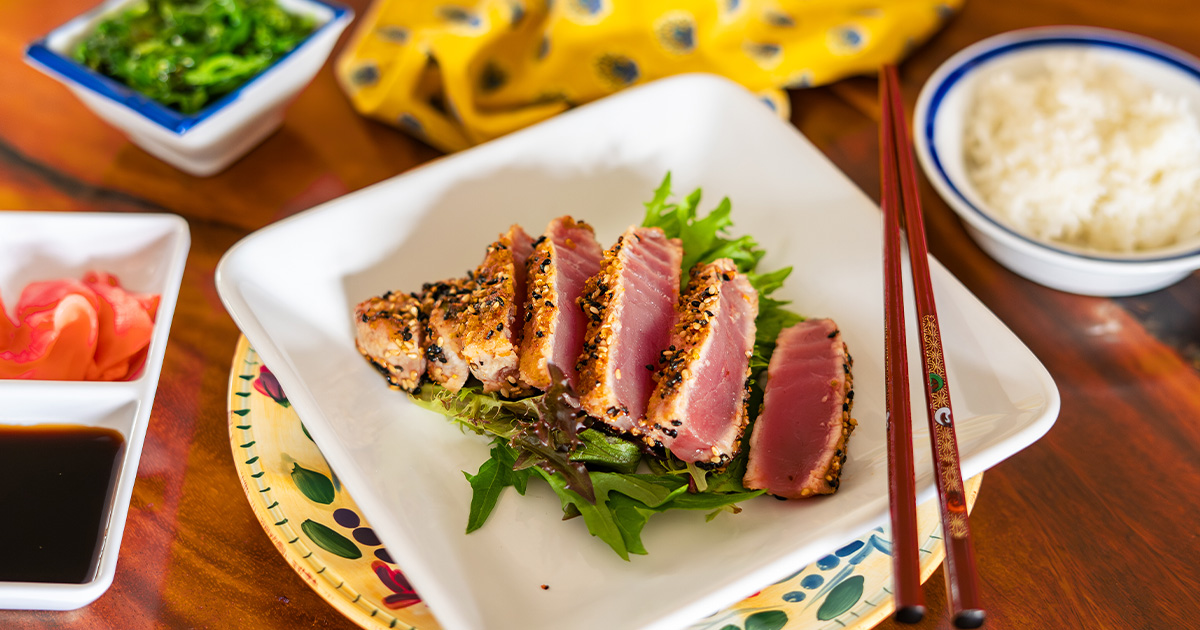
Your Guide to Seared Ahi Tuna: Achieve Perfect Crust & Tender Middle
Imagine a dish that effortlessly marries the sophistication of a high-end restaurant with the comfort of a home-cooked meal – all prepared in mere minutes. That's the magic of seared ahi tuna. This culinary gem, beloved for its vibrant ruby center and delicate, firm texture, might seem intimidating to tackle in your own kitchen. However, with the right techniques and a few key insights, mastering the perfect
restaurant-style seared ahi tuna recipe is surprisingly achievable. We're here to guide you through crafting a stunning dish that boasts an irresistible, crisp crust and a melt-in-your-mouth tender middle, proving that an exquisite meal doesn't have to break the bank or demand hours of your time.
Why Seared Ahi Tuna is Your Next Go-To Home-Cooked Delight
There are countless reasons why seared ahi tuna has captured the hearts (and palates) of food enthusiasts worldwide, and why it deserves a spot in your weekly rotation. Beyond its undeniable elegance, this dish offers a powerful combination of benefits that make it an unparalleled choice for any occasion.
First and foremost, it delivers that coveted "special occasion" feel without the hefty restaurant bill. Ahi tuna can be a pricey indulgence when dining out, but preparing it at home transforms it into an accessible luxury, allowing you to "treat yourself" more often for a fraction of the cost.
Secondly, speed is of the essence. Life is busy, and spending hours in the kitchen isn't always feasible. This
healthy seared ahi tuna delicious dinner in minutes is incredibly fast to prepare. Once your tuna is marinated and crusted, the actual cooking time is incredibly short – a quick sear on a hot pan, and dinner is ready. This makes it perfect for a spontaneous weeknight meal or an impressive last-minute dinner party.
Finally, and perhaps most importantly for many, seared ahi tuna is a powerhouse of nutrition. In Hawaiʻi, where ahi is a staple, it's cherished not just for its flavor but also its health benefits. It's naturally high in lean protein, making it incredibly satisfying and excellent for muscle repair and satiety. It's also packed with vital Omega-3 fatty acids, crucial for heart and brain health, along with important vitamins like D and B. For those monitoring their protein-to-carb balance, ahi fits perfectly into a clean eating regimen, offering substantial fuel without feeling heavy or weighed down by rich sauces. What's more, its clean, mild flavor and tender texture often win over even the pickiest eaters, including those who claim not to like "fishy" fish.
Understanding Ahi: Selecting and Preparing Your Tuna Steaks
The journey to perfect seared ahi begins long before the pan hits the heat – it starts with selecting the right tuna and understanding its characteristics.
What is Ahi Tuna?
In culinary terms, "ahi" typically refers to either yellowfin tuna or bigeye tuna. Both varieties are prized for their mild, clean flavor and firm, almost steak-like texture, which makes them ideal for searing. When cooked, the goal is to keep the exterior kissed by the pan and the interior rare to medium-rare. This approach preserves that coveted buttery texture and delicate taste, preventing the tuna from drying out or becoming tough. Ahi's robust yet clean profile also means it takes beautifully to bold marinades and flavorful crusts, allowing you to infuse it with your favorite spices without overwhelming its natural essence.
Sourcing High-Quality Ahi: A Crucial First Step
The quality of your tuna is paramount to the success of your seared ahi tuna recipe. Ideally, you want to find tuna that is sushi-grade or sashimi-grade, indicating it's safe and intended to be eaten raw or nearly raw.
When purchasing, look for:
*
Vibrant Color: Fresh ahi should have a deep, rich red color, almost like raw beef. Avoid tuna that looks dull, brownish, or has gray spots.
*
Firm Texture: The flesh should be firm and spring back when gently pressed.
*
Clean Scent: It should smell fresh, like the ocean, but not overly "fishy."
*
Ask Your Fishmonger: Don't hesitate to ask your local fishmonger about the tuna's origin, how fresh it is, and if it's been treated with carbon monoxide (CO). CO treatment is sometimes used to maintain a vivid red color, which doesn't affect flavor but can make older fish appear fresher than it is. Knowing this helps you make an informed choice.
*
Optimal Thickness: Aim for tuna steaks that are about 1 to 1.5 inches thick. This thickness allows for a good sear on the outside while maintaining a perfectly rare center without overcooking.
Once you have your beautiful tuna steaks, proper preparation is key. Pat the tuna steaks thoroughly dry with paper towels before marinating or crusting. Excess moisture on the surface will steam the fish rather than sear it, preventing that beautiful, crisp crust from forming.
Crafting the Perfect Seared Ahi Tuna Recipe: Marinade & Crust Secrets
The secret to a truly outstanding seared ahi tuna lies in two elements: a flavorful marinade that complements its delicate taste and a well-textured crust that delivers a satisfying crunch.
The Flavor Foundation: A Light Shoyu-Ginger Marinade
A simple yet effective marinade can elevate your ahi without overpowering it. Drawing inspiration from Hawaiian and Japanese culinary traditions, a shoyu-ginger marinade is a perfect choice.
Basic Marinade Ingredients:
* 2 tablespoons low-sodium soy sauce (shoyu)
* 1 tablespoon fresh ginger, grated
* 1 teaspoon sesame oil
* 1 clove garlic, minced (optional)
* A pinch of red pepper flakes for a subtle kick (optional)
Combine these ingredients in a shallow dish. Add your patted-dry ahi tuna steaks, ensuring they are well coated. Marinate for a short period – typically 15 to 30 minutes. Ahi is delicate, so a longer marinade isn't necessary and can sometimes "cook" the fish with the acid in the soy sauce or make it too salty.
The Irresistible Crust: Texture and Taste
The crust is what gives seared ahi tuna its signature appeal, providing a textural contrast to the tender interior. While the reference context suggests a sesame-togarashi crust, you can experiment with various combinations.
Popular Crust Options:
*
Sesame-Togarashi: A classic blend of black and white sesame seeds with Japanese seven-spice (shichimi togarashi) for a smoky, spicy kick.
*
Sesame Seed Blend: Simply a mix of black and white sesame seeds for a nutty, earthy flavor and visual appeal.
*
Pepper & Salt: Freshly cracked black pepper and coarse sea salt or flaky kosher salt for a simple, bold flavor.
*
Spice Rub: Combine garlic powder, onion powder, a touch of paprika, and a hint of cayenne for a more savory, spiced crust.
To apply the crust, remove the marinated tuna from the dish and pat it dry once more. Then, firmly press your chosen crust mixture onto all sides of the tuna steaks. Ensure an even and generous coating – this is where the magic happens!
Achieving the Perfect Sear: High Heat is Your Friend
This is the moment of truth. A perfect sear requires high heat and swift execution.
1.
Choose Your Pan: A heavy-bottomed skillet, such as cast iron or stainless steel, is ideal. These pans retain heat exceptionally well, which is crucial for a consistent sear.
2.
Heat the Pan: Place your skillet over high heat. Let it preheat for several minutes until it's smoking hot. This extreme heat is essential for creating a crispy crust quickly without overcooking the interior.
3.
Add Oil: Drizzle a high smoke point oil, like avocado oil, grapeseed oil, or refined coconut oil, into the pan. Just enough to coat the bottom lightly.
4.
Sear the Tuna: Carefully place the crusted tuna steaks in the hot pan. You should hear an immediate, aggressive sizzle. Sear for 60 to 90 seconds per side, depending on the thickness of your tuna and your desired doneness. For a truly rare center, err on the side of less time. You’re looking for a beautiful golden-brown crust to form.
5.
Sear the Edges (Optional): If your tuna steaks are particularly thick, you can briefly sear the thin edges for about 15-20 seconds each to ensure an even cook.
6.
Rest: Transfer the seared tuna to a cutting board and let it rest for 2-3 minutes. This allows the juices to redistribute, resulting in a more tender and flavorful fish.
Serving Suggestions & Enjoying Your Culinary Masterpiece
Once rested, your seared ahi tuna is ready to be transformed into a stunning plate.
Slice the tuna against the grain into ½-inch thick pieces. This technique ensures maximum tenderness. Arrange the slices artfully on a plate.
Classic Accompaniments:
*
Simple Greens: A bed of fresh mixed greens or a light cucumber salad with a vinaigrette.
*
Asian-Inspired Sides: Steamed white or brown rice, stir-fried Asian vegetables, or blanched asparagus.
*
Dipping Sauces: A small bowl of ponzu sauce, extra marinade, or a dollop of sriracha mayo adds another layer of flavor.
*
Garnishes: Sprinkle with thinly sliced green onions, a dash of flaky sea salt, or extra sesame seeds for a professional finish. The clean, mild flavor of the tuna also pairs well with a touch of wasabi or pickled ginger on the side.
Conclusion
Achieving restaurant-quality seared ahi tuna at home is not only possible but incredibly rewarding. By selecting fresh, high-quality tuna, crafting a simple yet flavorful marinade and crust, and executing a quick, high-heat sear, you can create a dish that's visually stunning, bursting with flavor, and satisfyingly healthy. This guide provides you with the essential techniques to confidently conquer the art of the perfect seared ahi tuna recipe, allowing you to enjoy this gourmet treat any night of the week without the fuss or the cost. So go ahead, embrace your inner chef, and prepare to impress yourself and your loved ones with this culinary masterpiece.